



Your cart is currently empty!
PVC Wall Panels Vs WPC Panels: Which One Is Better?

Objective
This blog explains the differences between PVC and WPC panels in a simple, practical way. It looks at how both materials perform in real spaces, where each works best, and what buyers should consider before choosing. Delby PVC sells PVC panels and other decorative panel products built around modern interiors and exteriors, so this comparison is useful for anyone trying to choose the best wall panel material for a home or commercial space.
Key Takeaways
PVC panels are usually lighter, easier to clean, and better suited to spaces where moisture is a concern.
WPC panels usually offer a denser feel and a more wood-like appearance.
The right choice depends on where the panel will be used, how much moisture the area gets, and what finish you want.
A proper wall panel durability comparison should include maintenance, moisture resistance, appearance, and everyday use.
Delby PVC positions its product range around modern, durable interior and exterior solutions, including PVC panels and WPC-based categories.
Table Of Contents
What PVC And WPC Panels Mean
The Difference Between PVC And WPC Panels
PVC Wall Panel Advantages
WPC Wall Panel Benefits
Wall Panel Durability Comparison
Which Panel Works Better In Different Spaces
Which One Is Better
FAQs
What PVC And WPC Panels Mean
PVC wall panels are made from polyvinyl chloride. In simple terms, they are plastic wall panels designed to provide a clean finish with minimal maintenance. Delby PVC presents PVC panels as modern wall and ceiling solutions that are durable, affordable, and made for residential, commercial, and industrial use.
WPC panels are made from wood-plastic composite. That means they combine wood-based material with plastic to create a panel that often looks and feels closer to wood than PVC does. Delby’s WPC-related product categories also place these options within its wider interior and exterior panel range.
At first glance, both may look like decorative wall options. But in real use, they behave differently. That is why people often search for the difference between PVC and WPC panels before making a final decision.
The Difference Between PVC And WPC Panels
The main difference starts with the material itself.
PVC panels are usually:
- lighter
- smoother in finish
- more moisture-friendly
- easier to clean
- easier to handle during installation
WPC panels are usually:
- denser
- more solid in feel
- more wood-like in appearance
- better suited to buyers who want a warm decorative finish
This does not mean one is always better than the other. It means each one suits a different type of space.
If the area is exposed to frequent moisture, easy cleaning is important, or fast installation is required, PVC is often the better choice. If the goal is a richer finish with a stronger wood-style appearance, WPC may be the better option.
That is the real difference between PVC and WPC panels. It is not only about what they are made of. It is about how they perform once they are on the wall.
PVC Wall Panel Advantages
There are clear PVC wall panel advantages, especially in spaces where practicality matters more than a heavy decorative finish.
Strong Moisture Resistance
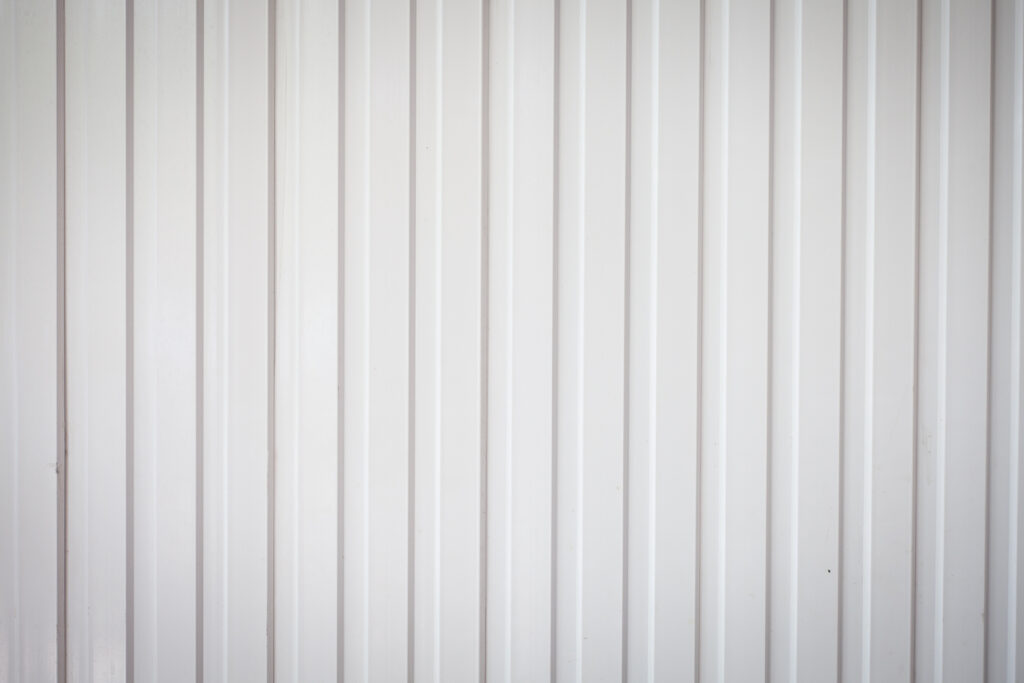
PVC panels are often chosen for spaces where water, steam, or damp air are common. Bathrooms, kitchens, wash areas, and utility spaces are good examples. Delby PVC also describes its products as durable and positioned around modern interior use, where long-term practicality matters.
Easy To Clean
This is one of the biggest reasons people choose PVC. The surface is usually easy to wipe down, making daily care easier. That matters in busy homes, offices, and commercial areas where walls need to stay neat without extra work.
Lightweight And Easier To Handle
PVC panels are generally lighter than WPC options. That can make transport, handling, and installation easier. In many renovation jobs, that lighter build becomes a real advantage.
Lower Maintenance Over Time
Many buyers want wall finishes that do not require extra work later. PVC usually fits that need well. Once installed, it is easy to live with. It does not ask for much, and that is one of its strongest points.
These are the main advantages of PVC wall panels. They make PVC a practical choice for people who want clean walls, easy maintenance, and improved moisture resistance.
WPC Wall Panel Benefits
There are also significant benefits to WPC wall panels, especially for buyers who care more about finish and feel.
More Solid Feel
WPC panels usually feel denser than PVC. Some buyers prefer it because it gives the wall a stronger, more substantial presence.
More Natural-Looking Surface
One of the main reasons people choose WPC is appearance. The finish often feels closer to wood, which works well in decorative interiors.
Better For Statement Walls
WPC is often chosen for spaces where the wall needs to stand out. Living rooms, feature walls, office backdrops, and designer-style interiors often suit this type of panel better.
Useful In Wider Design Settings
Delby’s site places WPC and related decorative categories within both interior and exterior product lines, suggesting a broader design role than just a wet-area wall covering.
These WPC wall panel benefits make it a good choice for buyers who want warmth, texture, and a more premium-looking surface.
Wall Panel Durability Comparison
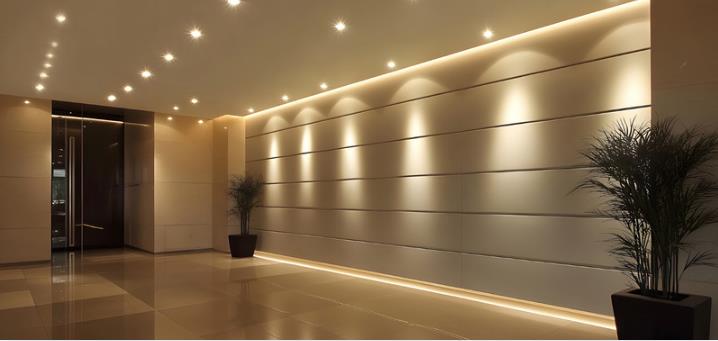
A proper wall panel durability comparison should not stop at the question of which panel feels stronger by hand. Real durability depends on where the panel is used and what the space demands every day.
PVC usually performs very well in places where moisture resistance and easy cleaning matter most. It is often the practical choice for bathrooms, kitchens, ceilings, utility areas, and other interior spaces that require low-maintenance wall finishes.
WPC usually performs well where appearance, feel, and decorative value matter more. It may be a better fit for feature walls or spaces where buyers want a wood-like look without using traditional wood.
So, in a simple wall panel durability comparison:
PVC often wins for damp spaces and easy care
WPC often wins for decorative finish and stronger visual impact
That is why the best wall panel material depends on the room. It is not the same answer for every project.
Which Panel Works Better In Different Spaces
Here is a simple way to think about it.
PVC is often better for:
- bathrooms
- kitchens
- ceilings
- utility rooms
- commercial interiors that need quick cleaning
- WPC is often better for:
- feature walls
- decorative living spaces
- office accent walls
areas where a wood-style look matters more
projects where a denser finish is preferred
This is where Delby Panels fits naturally into the discussion. Its site is built around panels, ceilings, flooring, cladding, and other finish materials meant to help buyers choose what works best for their space, budget, and style.
Which One Is Better
There is no single answer that fits every wall.
If your main priority is moisture resistance, easy cleaning, lighter weight, and low maintenance, PVC is often the better choice. That is why so many buyers use it in practical interior spaces.
If your main priority is a stronger decorative finish, a wood-like appearance, and a more solid feel, WPC may be the better option.
So which one is better? It depends on what you need the wall panel to do.
If you want simple, practical, and easy to maintain, PVC often wins. If you want warm, decorative, and more design-focused, WPC often makes more sense.
That is the most honest answer, and it is the one that usually helps buyers choose well.
Choose the panel that fits the room, the moisture level, and the finish you actually want to live with.
Still Confused Between PVC and WPC Panels for Your Space?
Choosing between PVC and WPC panels depends on your space, moisture level, and design preference. Delby PVC Panels offers durable, modern wall panel solutions for interiors and exteriors. Get expert guidance to select the right material for long-lasting performance.
FAQs
1. What Is The Main Difference Between PVC And WPC Panels?
The main difference between PVC and WPC panels is the materials used and how each behaves in use. PVC is usually lighter, smoother, and easier to maintain. WPC is usually denser and more wood-like in appearance.
2. Which One Is The Best Wall Panel Material For Bathrooms?
PVC is often the best wall panel material for bathrooms because moisture resistance and easy cleaning matter more there than a heavier decorative finish.
3. What Are The Main PVC Wall Panel Advantages?
The main advantages of PVC wall panels are moisture resistance, lighter weight, easier cleaning, and lower long-term maintenance.
4. What Are The Main WPC Wall Panel Benefits?
The main WPC wall panel benefits are a more solid feel, a more natural-looking finish, and better use in decorative spaces where appearance matters more.
5. Which One Lasts Longer, PVC Or WPC?
That depends on where the panel is used and how well it is installed. PVC usually performs very well in damp indoor spaces where easy cleaning matters. WPC can be a strong choice for decorative wall use and areas where a more solid finish is wanted. The better long-term option depends on the space, not only the material name.
6. Is WPC Always Better Than PVC?
No. WPC is not automatically better. Some projects need a lighter, easier, more moisture-resistant panel, and in those cases, PVC may be the better fit. The right choice depends on the room, the finish you want, and how much maintenance you are willing to deal with.
