



Your cart is currently empty!
What Makes PVC Wall Panels Better Than Traditional Wall Finishes? A Guide From A PVC Wall Panel Distributor’s View

If you have ever lived with peeling paint, damp patches, or wall tiles that look tired after a few years, you already know the problem with many “traditional” wall finishes. They look fine on day one, but they demand attention later. A wall might need repainting. Grout lines may start looking dirty. Wooden cladding can swell in moisture. Even a small leak can leave a mark that refuses to go away.
That is exactly why PVC wall panels have become a serious alternative, not just a trend. People want walls that stay neat with less effort. They want something that can handle daily wear, regular cleaning, and humid conditions. They also want more style options without paying for heavy stone or high-maintenance wood. Brands that work closely with these products, like Delby PVC Panels, often highlight the same practical idea: make modern-looking interiors possible without making maintenance a never-ending task.
This blog explains why PVC wall panels are better than traditional wall finishes in a clear, everyday way. It also covers how to think about PVC wall panel design, what the panel layers do, and what to look for when choosing a PVC wall panel distributor.
Objective
To explain, in simple language, why PVC wall panels are often a better choice than paint, tiles, wallpaper, or wood cladding, and how the right PVC wall panel distributor and the right PVC wall panel design choices can improve durability, cleaning, and long-term value.
Key Takeaways
- PVC wall panels are designed to resist moisture, stains, and everyday wear better than many traditional finishes.
- Modern PVC wall panel designs can mimic wood, marble, and stone, and offer clean contemporary looks.
- PVC panels usually install faster than tiles or full wall rework, which saves time and mess.
- The panel’s layered structure (core, film, protective layer) matters for strength and finish life.
- Choosing a dependable PVC wall panel distributor helps you get consistent quality and the right product for your space.
Table Of Contents
- Traditional Wall Finishes And The Problems People Keep Facing
- What PVC Panels Are And How They Are Built
- PVC Wall Panel Design Options Compared With Paint, Tile, And Wood
- Durability And Daily Wear: What Really Holds Up
- Moisture, Mold, And Hygiene: Why PVC Often Wins
- Cleaning And Maintenance: The Real Difference Over the Years
- Installation Time, Cost, And Site Mess
- Where PVC Panels Make The Most Sense
- How To Choose A PVC Wall Panel Distributor
- Did You Know Facts
- FAQs
- Conclusion
Traditional Wall Finishes And The Problems People Keep Facing
Traditional wall finishes are familiar, so people keep choosing them. Paint is common because it is cheap at first. Tiles feel “permanent” because they are hard. Wallpaper gives style quickly. Wood cladding looks premium.
The catch is what happens later.
Common issues with traditional finishes include:
- Paint can peel, fade, or crack, especially in areas with moisture or heat.
- Tiles can look dull over time, and grout lines attract stains.
- Wallpaper can bubble, tear, or collect dust at the edges.
- Wood panels can swell, warp, or attract termites in certain conditions.
- Textured wall finishes can trap dust and become harder to clean properly.
None of this means traditional finishes are “bad.” It simply means they often come with maintenance work that many homeowners do not expect. PVC panels became popular because they reduce these repeated problems.
What PVC Panels Are And How They Are Built
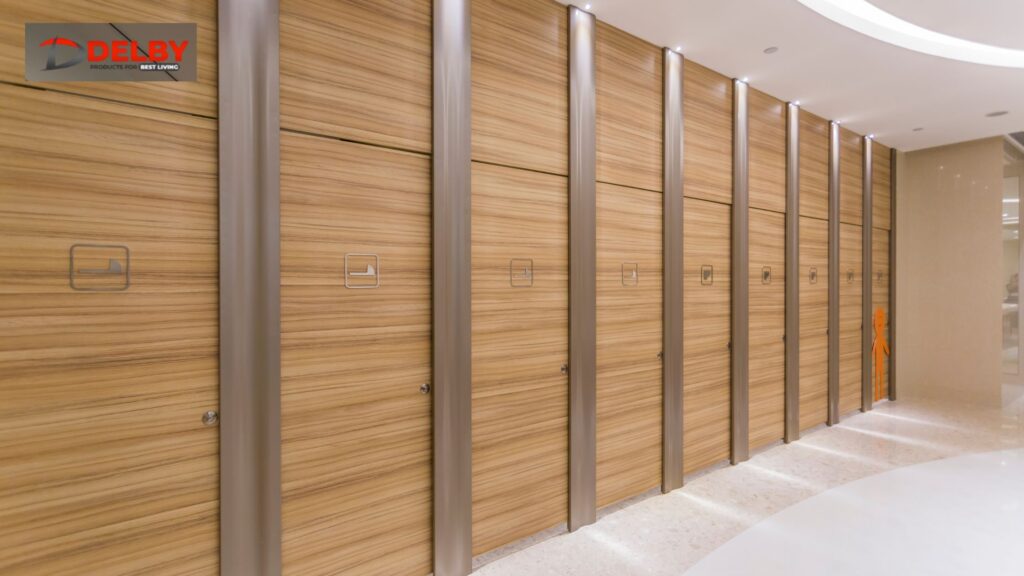
PVC panels are made from polyvinyl chloride (PVC). In simple terms, it is a strong, lightweight plastic widely used in building materials because it is durable and moisture-resistant.
A good PVC panel is not just one flat plastic sheet. Many quality panels are made in layers, and each layer has a purpose. This layered build is one reason PVC panels hold up better in daily use.
Common PVC panel layers include:
Substrate Layer
This acts as the base. It supports the panel’s shape and keeps it stable.
PVC Resin Layer
This is the main core that gives strength and flexibility. It helps the panel withstand minor impacts and movement without cracking.
Decorative Film Layer
This is where style comes in. The film creates the look, wood grain, marble, stone, or modern patterns. This is the heart of PVC wall panel design.
Protective Layer
This outer shield helps resist moisture, surface scratches, stains, and everyday wear. It also supports hygiene by making cleaning easier.
When people compare PVC panels to paint or wallpaper, they often forget this structural advantage. Paint is a coating. Wallpaper is a surface layer. PVC panels are a built product designed for protection and finish together.
PVC Wall Panel Design Options Compared With Paint, Tile, And Wood
A few years ago, PVC panels were mostly chosen for utility spaces. Today, that has changed because the design of PVC wall panels has expanded significantly.
You can now find panels that suit different tastes:
- clean, solid, modern looks for minimal interiors
- wood-style finishes for warm, premium spaces
- marble-style finishes for bright, luxury vibes
- stone-style or concrete-style looks for modern offices
- glossy or matte finishes, depending on lighting and use
How this compares to traditional finishes:
- Paint gives unlimited color, but texture and “premium feel” usually require extra work.
- Tiles look strong, but break visual continuity with grout lines and joints.
- Wood looks premium but demands care and can be sensitive to moisture and pests.
- Wallpaper can look stylish, but it is easier to damage and harder to clean.
PVC panels combine style and practical protection in one product. That is why people use them in homes, offices, hotels, and retail spaces.
Durability And Daily Wear: What Really Holds Up
Durability is not just about “hardness.” It is about how a wall finish behaves when life happens, kids touch it, furniture scrapes it, cleaning happens, humidity changes, and small knocks occur.
PVC panels often perform well because they are:
- impact-resistant compared to delicate finishes
- less likely to crack than plaster-based wall textures
- not dependent on repainting to look fresh
- resistant to termite problems that can affect wood panels
Traditional finishes can be durable, but they usually require maintenance to stay looking good. Tiles may last, but grout discolors. Paint can last, but it can fade or leave marks. PVC panels aim to reduce those repeat costs.
Moisture, Mold, And Hygiene: Why PVC Often Wins
Moisture is one of the biggest reasons walls look “old” fast, especially in kitchens, wash areas, bathrooms, and humid regions.
When moisture enters a wall finish, it can cause:
- paint bubbles
- damp stains
- mold growth
- bad odor
- surface breakdown
PVC panels are designed to resist surface moisture. That makes them a practical option in places where traditional finishes struggle. The protective outer layer helps keep water from soaking in, and the surface is easier to wipe down.
This is also why PVC panels are often used in high-traffic or hygiene-focused spaces where regular cleaning is important.
Cleaning And Maintenance: The Real Difference Over the Years
Maintenance is where most people feel the difference the strongest, because it shows up every week, not just once a year.
Traditional finishes often need:
- repainting cycles
- stain treatments
- grout cleaning tools and chemicals
- patch repairs after peeling or cracking
- polishing or treatment for wood
PVC panels usually need:
- wiping with a soft, damp cloth
- mild soap for tougher marks
- Basic dusting, like any other surface
If your goal is a clean look with less ongoing work, PVC panels often make life easier. This is also why many people call them “maintenance-friendly” wall solutions.
Installation Time, Cost, And Site Mess
Traditional wall upgrades can be slow because they involve steps like surface prep, putty work, primer, multiple paint coats, drying time, and cleanup. Tiling adds even more time due to cutting, adhesive curing, grout work, and washing.
PVC panels are often installed faster because they are pre-finished. Once the base surface is ready, panels can be fitted using the appropriate method, and finishing trims can be applied.
Here is a simple comparison:
| Factor | Paint / Tile / Wallpaper | PVC Wall Panels |
| Time Needed | Often days | Often quicker |
| Dust And Mess | Higher | Usually lower |
| Drying Time | Yes | No |
| Rework Risk | Medium | Lower if installed well |
| Long-Term Touch-Ups | Common | Less common |
Cost depends on quality, thickness, finish type, and installation method. But when you factor in future repainting or repair cycles, many people find PVC panels give better long-term value.
Where PVC Panels Make The Most Sense
PVC panels can work in many areas, but they shine most where maintenance or moisture are daily realities.
Common use areas include:
- living rooms for feature walls
- bedrooms for warm wood-style looks
- kitchens where cleaning matters
- wash areas and utility spaces
- offices and reception areas
- hospitality spaces like hotels and lounges
- retail stores where walls get touched and marked often
The best approach is to match the PVC wall panel design to the room’s use. A high-gloss panel might look great in one area, while a matte finish may suit another space better.
How To Choose A PVC Wall Panel Distributor

A panel can look great in a photo and still disappoint once it’s on your wall. This usually happens because people focus only on design and ignore build quality, finishing, and after-sales support. A good PVC wall panel distributor helps you avoid that, because they know what works in real homes and real sites, not just in a showroom.
Here’s what to check before you buy:
- Ask to see the panel in hand, not just in pictures. Feel the surface. Look at the edges. A good panel feels solid, and the finish looks even, not patchy or overly “printed.”
- Check thickness and stiffness. Thicker is not always “best,” but very thin panels can feel weak and may not sit well on uneven walls. The distributor should clearly tell you what thickness suits your use.
- Look for a clean, consistent finish. Run your eyes across the surface under light. You should not see random shine spots, color differences, or blurry patterns. That matters even more for wood- and marble-look finishes.
- Ask what areas the panel is meant for. Some panels are better for dry rooms. Some are better for kitchens, wash areas, or high-use spots. A reliable distributor won’t push a single product into every space.
- Check for matching trims and corners. The final look depends heavily on trims. If trims are missing or don’t match, the wall can look unfinished, even if the panel itself is good.
- Ask about installation guidance. A good distributor should explain the basics: how the wall should be prepared, which fixing method to use, and what mistakes to avoid. Poor installation is one of the biggest reasons panels fail early.
- Confirm availability for future needs. If you ever need a replacement panel later, it helps if the distributor can supply the same design again. This is especially important for commercial sites and rentals.
If a distributor answers clearly and does not rush you, that is usually a good sign.
Did You Know Facts
- Many modern PVC panels use layered construction, so the surface finish and the core strength work together.
- Moisture problems are one of the biggest reasons people repaint walls sooner than expected, especially in kitchens and wash areas.
- Seamless panel surfaces often look cleaner than tiled walls because there are fewer lines where dirt can settle.
- PVC panels are commonly chosen for spaces where quick installation and easy cleaning are priorities.
Upgrade Your Walls with Durable and Stylish PVC Wall Panels Today
PVC wall panels offer modern design, moisture resistance, and easy maintenance compared to traditional wall finishes. Delby PVC Panels provides high-quality panel designs with consistent finish, durability, and expert support to help you choose the perfect solution for your home or commercial space.
Conclusion
PVC wall panels have become popular for a simple reason: they solve common wall problems practically. Traditional finishes can look great, but they often need more upkeep, especially when moisture, daily cleaning, or wear is part of your routine. PVC panels offer a cleaner, more durable alternative that also comes in a wide range of styles.
If you choose a good PVC wall panel distributor and select a PVC wall panel design that matches the space, you can get a finish that looks modern and stays easy to live with. Brands that focus on durable, lightweight, and affordable panel solutions, such as Delby PVC Panels, reflect why so many people are shifting toward panels for homes, offices, and hospitality spaces.
FAQs
Are PVC Wall Panels Better Than Paint For Daily Use?
For many homes, yes, especially if you are tired of touch-ups. Paint looks clean at first, but it can start showing marks, peeling, or damp patches over time. PVC panels usually stay more consistent because the surface is already finished and easier to wipe.
Can PVC Wall Panels Be Used In Kitchens Or Bathrooms?
They are commonly used in kitchens and moisture-prone areas because they handle splashes and humidity better than paint or wallpaper. The key is proper fitting and sealing where needed, so water does not get behind the panels.
Do PVC Wall Panels Look Fake Or “Plastic”?
Some low-quality panels can look that way. Better panels have more natural textures and cleaner printing, so wood or marble styles look more believable. If you are unsure, ask to see a full-size sample in normal room lighting before deciding.
How Long Do PVC Wall Panels Last?
That depends on panel quality and how they are installed, but good panels can last for years with basic cleaning. They usually don’t need repainting and withstand everyday wear better than many traditional finishes.
What Should I Ask Before Buying From A PVC Wall Panel Distributor?
Ask about thickness, where the panel is best used, the finish type, and whether matching trims are available. Also, ask if the design will be available later in case you need a replacement.
Can PVC Panels Be Used On Ceilings Too?
Yes, many people use them for ceilings as well, especially when they want a neat, easy-to-maintain finish. Just make sure the product is suitable for ceiling use and installed properly.
