



Your cart is currently empty!
Step-By-Step Guide To Choosing PVC Panels For Every Room

When people start renovating their homes, wall finishes are often one of the last decisions they make. Paint feels familiar. Tiles feel permanent. But many homeowners today are looking for something in between, something that looks clean, installs quickly, and does not require constant maintenance. That is where PVC wall panels come into the conversation.
At first glance, panels may seem simple. You pick a color, install it, and the job is done. Choosing the right panels takes little thought. Every room in a home behaves differently. A bedroom needs warmth and comfort. A kitchen needs durability. A living room needs visual balance. When panels are chosen without thinking about how a space is used, the result can feel mismatched even if the material itself is good.
Homeowners working with Delby PVC Panels often realize that the best results come from slowing down and understanding each room before selecting designs. This guide walks through that process step by step so you can make decisions that still feel right years later.
Objective
The purpose of this guide is to help homeowners understand how to choose PVC wall panels for their home in a practical way. It explains how to match panel type, color, and finish with the needs of each room while selecting the right PVC wall panel design for bedrooms and other living areas.
Key Takeaways
- PVC wall panels are chosen differently for each room.
- Function matters more than appearance alone.
- Bedrooms benefit from calm and simple panel designs.
- Kitchens and bathrooms require moisture-resistant panels.
- Good planning prevents visual clutter.
- The right panels reduce long-term maintenance.
Table Of Contents
- Understanding What PVC Wall Panels Really Are
- Why PVC Wall Panels for the Home Are Becoming Common
- Step One: Think About How Each Room Is Used
- Step Two: Choosing Panel Thickness And Strength
- Step Three: Picking Colors Without Overthinking
- Step Four: Selecting PVC Wall Panel Design For Bedroom
- Step Five: Designing Living Room Feature Walls
- Step Six: Choosing Panels For Kitchens And Bathrooms
- Step Seven: Installation And Practical Considerations
- Step Eight: Maintenance And Long-Term Care
- FAQs
Understanding What PVC Wall Panels Really Are
PVC wall panels are lightweight wall coverings made to protect and decorate surfaces at the same time. Instead of painting walls again every few years or dealing with grout lines like tiles, panels create a finished surface that stays consistent.
They are not meant only for decorative spaces. Many homeowners choose PVC wall panels because they solve everyday problems. Walls stay cleaner. Minor marks wipe away easily. Moisture causes less damage compared to painted surfaces.
Panels also come in many finishes, which is why they work across different room styles.
Why PVC Wall Panels for the Home Are Becoming Common
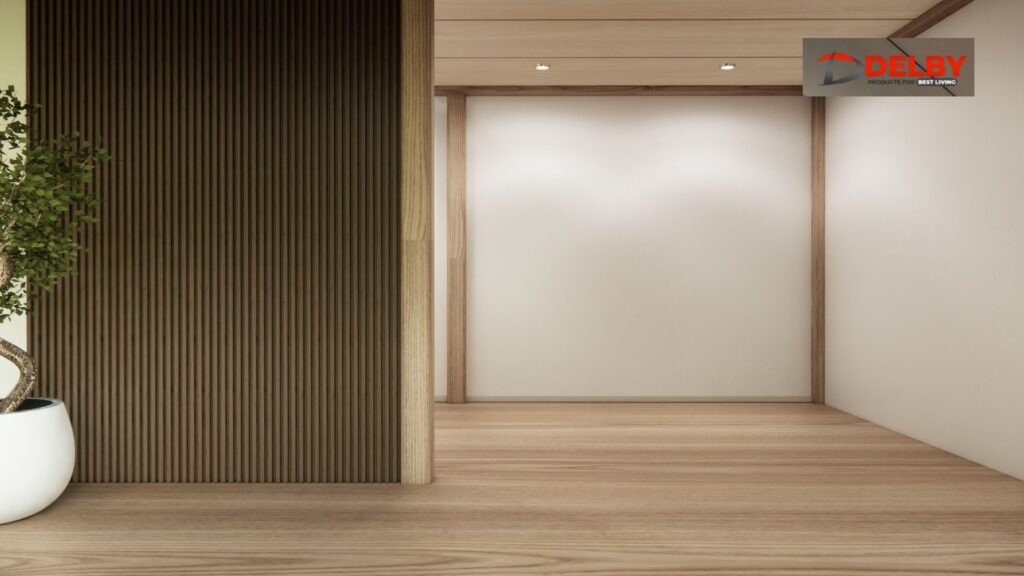
Homeowners today want materials that save time and effort. Painting requires preparation and regular repainting. Tiles require heavy installation and cleaning between joints. PVC wall panels for the home sit somewhere in the middle.
People choose them because:
- Installation is faster
- Cleaning is simple
- Designs are consistent
- Walls stay protected longer
Another reason is flexibility. Panels can be used across an entire wall or only as a feature section. This allows homeowners to update spaces without changing everything.
Step One: Think About How Each Room Is Used
Before choosing designs, step back and look at how each room functions daily.
Ask yourself:
- Does this room face moisture or heat?
- Is it used frequently?
- Should it feel calm or energetic?
A bedroom is used for rest. A hallway handles movement. A kitchen deals with spills and humidity. Choosing the same panel everywhere may look uniform, but it rarely works well in practice.
Good decisions begin with understanding daily habits inside the home.
Step Two: Choosing Panel Thickness And Strength
Not all panels are built the same. Thickness affects durability.
Thinner panels often work well for decorative walls or ceilings. Medium panels suit bedrooms and living spaces. Thicker panels handle busy areas where walls experience more contact.
This is one of the most overlooked decisions. Many homeowners choose based only on design and later notice wear in high-traffic areas. Matching thickness with usage helps PVC wall panels last longer.
Step Three: Picking Colors Without Overthinking
Color selection can feel overwhelming because there are many options. The easiest approach is to think about light and space rather than trends.
Light colors make smaller rooms feel open. Warm tones create comfort. Strong patterns should be limited to one wall instead of the entire room.
Homes feel balanced when colors support furniture and lighting rather than competing with them.
Step Four: Selecting PVC Wall Panel Design For Bedroom
Bedrooms need a different approach from other areas. The goal is comfort, not visual excitement.
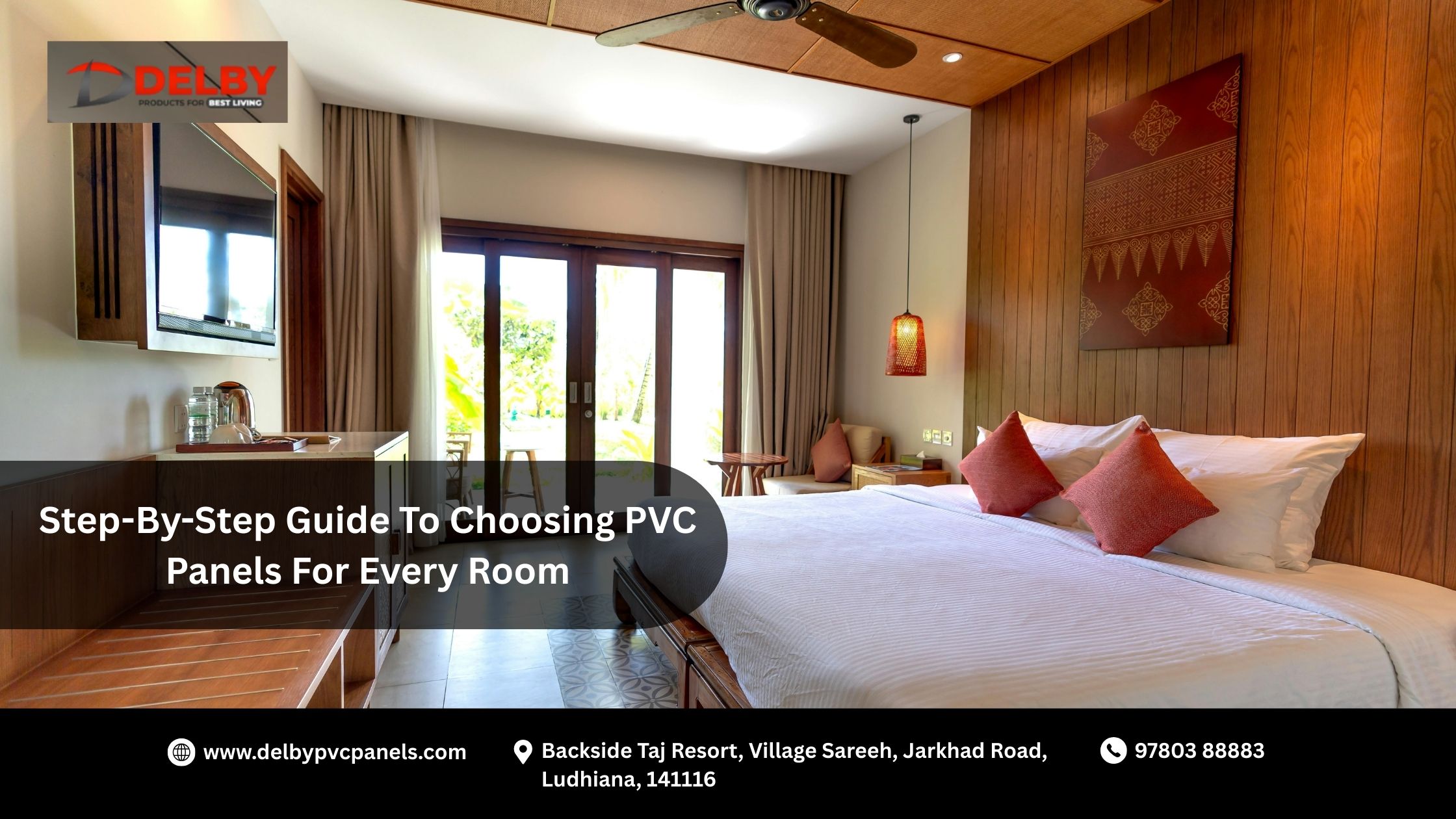
A good PVC wall panel design for a bedroom usually includes soft textures or natural finishes. Many homeowners prefer wood-style panels behind the bed because they add warmth without making the room feel heavy. These preferences are reflected in the latest pvc wall panel designs chosen for modern bedrooms.
Keeping designs simple helps the space feel restful. Too many patterns can make bedrooms feel busy, especially at night when the lighting changes. This is why the latest pvc wall panel designs often focus on clean, subtle, and balanced finishes.
Step Five: Designing Living Room Feature Walls
Living rooms allow more freedom. This is where panels can create visual interest.
Common ideas include:
- Panels behind television units
- Vertical lines that make ceilings appear taller
- Neutral textures that match furniture easily
The key is balance. A strong feature wall works best when surrounding walls remain simple.
Step Six: Choosing Panels For Kitchens And Bathrooms
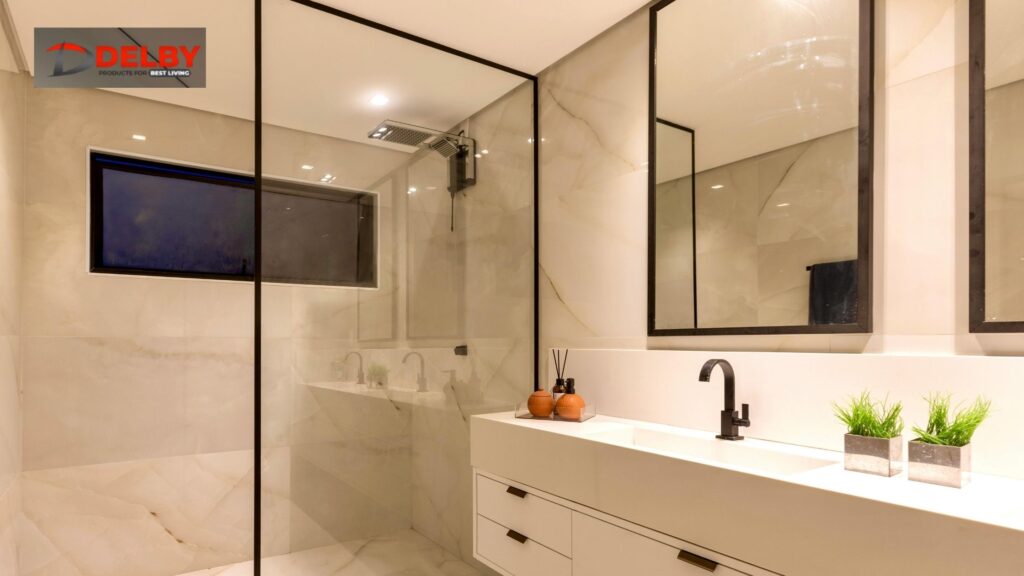
Kitchens and bathrooms place different demands on materials. Moisture and cleaning products are common here.
PVC wall panels work well because they resist water better than painted walls. Smooth finishes are usually easier to maintain because dirt does not settle into deep textures.
Lighter colors also help reflect light, making these spaces feel cleaner and brighter.
Step Seven: Installation And Practical Considerations
One advantage of PVC wall panels is installation speed. Panels are typically fixed onto prepared surfaces or frames.
Before installation, walls should be dry and level. Planning electrical points and fixtures early prevents cutting panels later.
Professional installation often gives cleaner results, especially around corners and edges.
Step Eight: Maintenance And Long-Term Care
Maintenance is one reason homeowners prefer PVC wall panels for their home.
Simple habits keep panels looking new:
- Wipe surfaces regularly with a soft cloth
- Avoid abrasive cleaning tools
- Clean spills early
Unlike painted walls, panels do not require frequent touch-ups.
Conclusion
Choosing wall finishes is not only about appearance. It is about creating spaces that remain practical over time. PVC wall panels for the home offer flexibility, durability, and easy care when selected thoughtfully.
When homeowners match panel type with room purpose, the result feels natural and balanced. Delby PVC Panels understands that successful interiors come from careful choices rather than quick trends. The right panels quietly improve daily living without demanding constant maintenance.
Ready to Upgrade Your Home with Premium PVC Wall Panels?
Choosing the right wall panels can transform your home’s comfort, durability, and style. Delby PVC Panels offers high-quality, low-maintenance, and modern panel solutions designed for bedrooms, living rooms, kitchens, and more. Speak with our experts today to explore the best PVC wall panel designs for your space.
FAQs
1. Are PVC Wall Panels Suitable For Every Room?
Yes, as long as the panel type matches the room’s conditions.
2. How Long Do PVC Panels Last?
They can last many years with normal care.
3. Is PVC Wall Panel Design For Bedroom A Good Idea?
Yes. Soft designs create warmth and comfort.
4. Are PVC Wall Panels Easy To Clean?
Yes. Most marks can be removed with a damp cloth.
5. Can PVC Panels Be Installed Over Existing Walls?
In many cases, yes, if the surface is prepared properly.
6. Do PVC Wall Panels for the Home Require Repainting?
No. They maintain appearance without repainting.
