



Your cart is currently empty!
Exterior Wall Cladding for Shop Fronts and Commercial Façades: A Planning Checklist

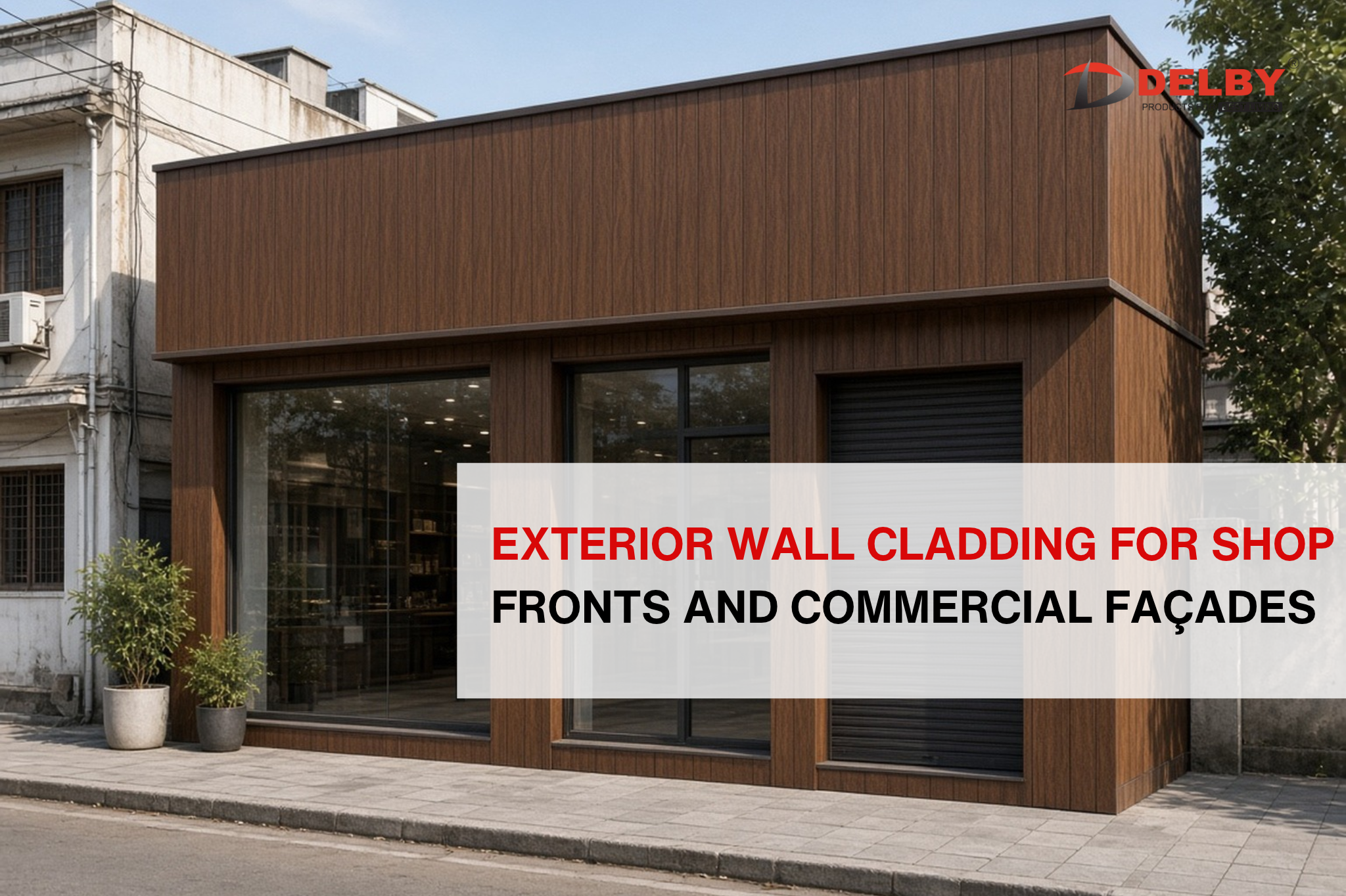
The exterior of a shop or commercial building is the first point of contact between a business and its customers. A visually appealing, durable, and well-maintained façade creates a strong brand impression, attracts foot traffic, and protects the structural integrity of the building. External wall cladding has become one of the most effective solutions for transforming commercial exteriors, offering an ideal balance of aesthetic appeal, weather resistance, and low maintenance.
Whether you are renovating an existing storefront or planning a new commercial development, selecting and installing exterior cladding requires careful consideration. This guide provides a comprehensive planning checklist, covers key considerations, and highlights common mistakes to avoid when choosing shop front cladding.
Commercial wall cladding serves both decorative and functional purposes. Modern exterior cladding materials enhance a building’s overall architectural style while providing essential protection against weather elements, moisture, and structural wear.
Why Exterior Wall Cladding Matters for Commercial Buildings
Key benefits of commercial façade cladding include:
- Curb Appeal and Brand Identity: A clean, modern exterior creates an inviting atmosphere and reinforces your brand’s visual identity.
- Weather Protection: Quality cladding shields walls from rain, wind, UV radiation, and temperature fluctuations.
- Durability and Low Maintenance: Materials like composite cladding, fibre cement, and aluminium require minimal upkeep compared to traditional timber or paint.
- Energy Efficiency: Properly installed wall cladding systems contribute to thermal insulation, helping regulate indoor temperatures and reduce energy costs.
Key Considerations Before Selecting Commercial Cladding
1. Building Regulations and Compliance
Before finalizing any cladding design, check local building regulations and planning permissions. Commercial properties often face strict guidelines regarding fire performance, structural safety, and aesthetic uniformity within retail zones.
2. Material Selection
Different exterior cladding materials offer varying benefits. Popular choices for shop fronts and commercial buildings include:
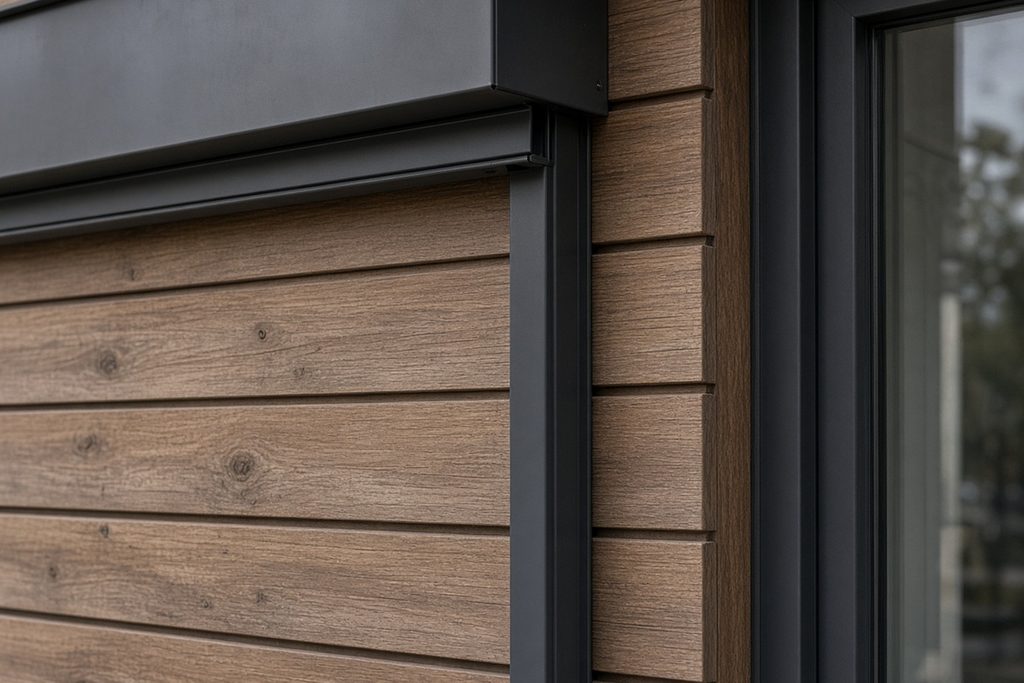
- Composite Cladding: Combines timber fibres and recycled plastic for a natural wood finish with high resistance to rotting, warping, and fading.
- Fibre Cement Cladding: Highly durable, fire-resistant, and available in multiple textures and colours.
- Aluminium Composite Panels (ACP): Lightweight, sleek, and modern, ideal for contemporary commercial architecture.
- Stone and Brick Veneers: Provide a premium, traditional look suited for luxury boutiques or heritage commercial spaces.
3. Climate and Environmental Exposure
Select materials based on local weather conditions. Coastal areas may require salt-resistant cladding, while locations exposed to intense sunlight benefit from UV-stabilized finishes.
Exterior Wall Cladding Checklist for Shop Fronts
Use this step-by-step checklist to streamline your commercial cladding project:
- Define Design Objectives: Determine whether the project focuses on rebranding, weatherproofing, or overall modernization.
- Verify Planning Requirements: Confirm if local councils require planning permission or specific fire-safety ratings.
- Set a Realistic Budget: Include costs for materials, installation, scaffolding, and long-term maintenance.
- Select Suitable Materials: Choose durable cladding products designed for high-traffic commercial environments.
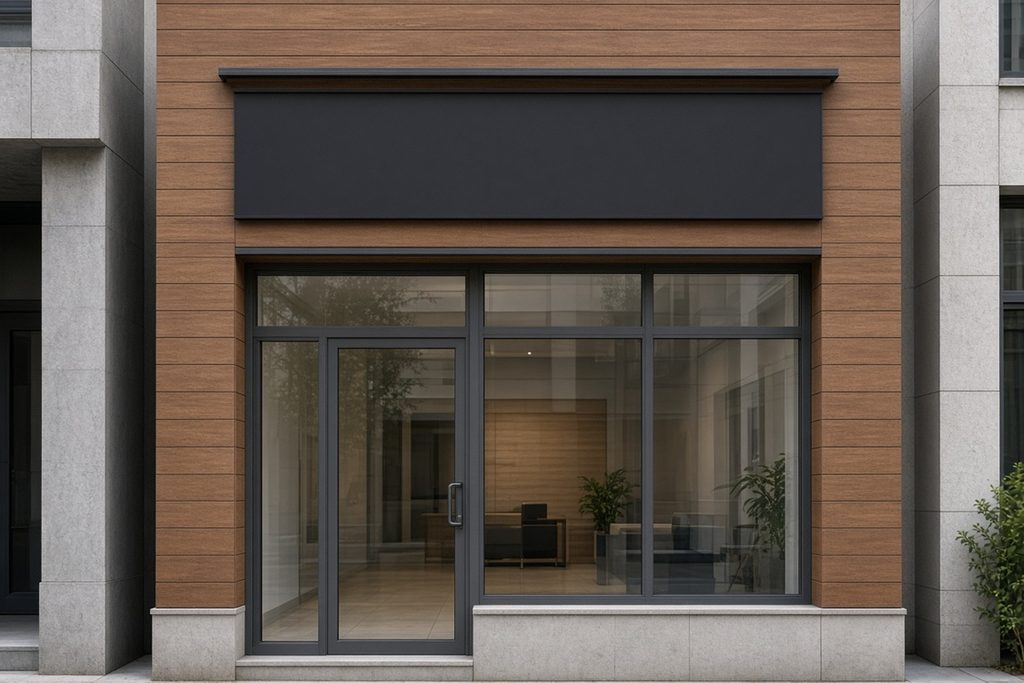
- Plan Signage and Lighting Integration: Ensure the cladding design accommodates corporate signage, display window frames, and exterior lighting fixtures.
- Hire Experienced Installers: Work with certified contractors specializing in commercial façade cladding installation.
Common Mistakes to Avoid in Commercial Façade Cladding
- Ignoring Moisture Barriers: Failing to install proper breathing membranes and drainage cavities can cause moisture accumulation and structural damage.
- Overlooking Thermal Expansion: Materials expand and contract with temperature changes; inadequate spacing leads to warping or buckling.
- Choosing Style Over Performance: Aesthetically pleasing options must also meet safety, fire-resistance, and durability standards.
- Neglecting Maintenance Plans: Even low-maintenance cladding systems require periodic inspection and cleaning to preserve appearance and structural integrity.
Conclusion
Investing in high-quality exterior wall cladding for shop fronts and commercial façades enhances brand visibility, protects building infrastructure, and lowers ongoing maintenance expenses. By following a structured planning checklist and selecting the right materials, business owners can create a striking, long-lasting exterior that stands out in competitive commercial spaces.
Consult with Delby Prior to Finalising the Design
If you’re designing a new shop front, showroom or office façade, take your elevation photos and rough dimensions to Delby. We’ll show you the Eclad and SaphhEx range together, assist with profile and colour comparisons and send you sample exterior packs so you can test samples on your own wall. It’s a small thing that makes a big difference.
Frequently Asked Questions
Can exterior wall cladding be installed over existing painted wall?
If your wall is solid, dry and fairly flat. Your installer will want to check that there is no loose or damp plaster and cracks first and will advise if a support frame or other repairs are necessary.
What is best for a shop front Eclad or SaphhEx?
It depends on the aesthetic, board size and wall. SaphhEx panels are a different profile in a different size. Compare the real samples on your frontage.
Will cladding work on a west-facing front?
Yes, but look at the datasheet for weathering and colour fastness in bright sunlight, and look at samples outside in the afternoon sunlight prior to selecting a colour.
How do I plan the signboard with cladding?
Choose a sign size and fixing method pre-cladding so the installer can add support and prepare for cut-outs instead of drilling through finished boards.
How long will the shop need to stay closed?
That depends on frontage size, wall repairs and access. Several jobs can be scheduled to be during opening hours – if so agree this with your installer before work begins.
