



Your cart is currently empty!
Exterior Cladding Panel Price in India: What Affects Cost & How to Choose a Supplier

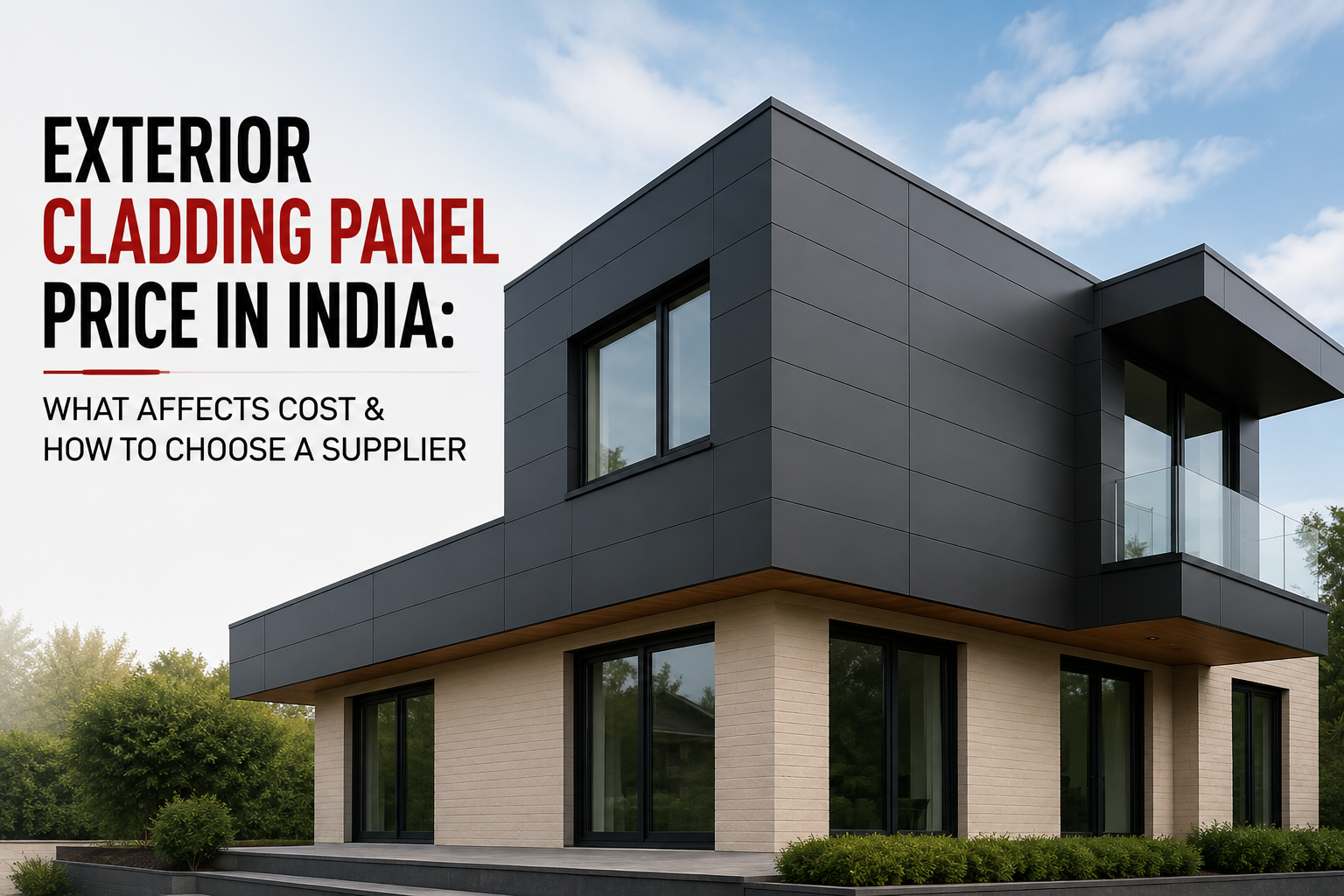
Planning a building facade is one of the most significant exterior investments you will make. The facade defines your property’s curb appeal, protects the structural masonry from harsh climate cycles, and directly influences resale value.
When property owners, contractors, and architects start budgeting for an elevation remodel or a new build, the first big question is almost always about the numbers: What is the actual pvc exterior wall panels price in India, and what drives the total bill?
Understanding facade pricing goes beyond comparing the per-square-foot tag of raw materials. A realistic budget must account for material grades, mounting sub-structures, wastage calculations, and long-term upkeep.
Here is an in-depth, practical guide detailing what determines exterior cladding panel pricing in India, how total costs stack up over a 10-year lifecycle, and how to partner with the right manufacturer or supplier for your project.
What Factors Affect Exterior Cladding Panel Price in India?
The final bill for an exterior panel installation is shaped by five interrelated structural and logistical variables. Understanding these components helps you avoid hidden expenses and evaluate quotes accurately.
1. Panel Formulation, Density, and Finish Range
Not all exterior polymers are engineered equally. High-grade exterior panels use virgin PVC resin combined with specialized impact modifiers and titanium dioxide UV stabilizers.
- Standard Solid Colors / Monotone Profiles: Smooth, solid neutral tones (greys, off-whites, beiges) typically serve as the entry baseline for pricing.
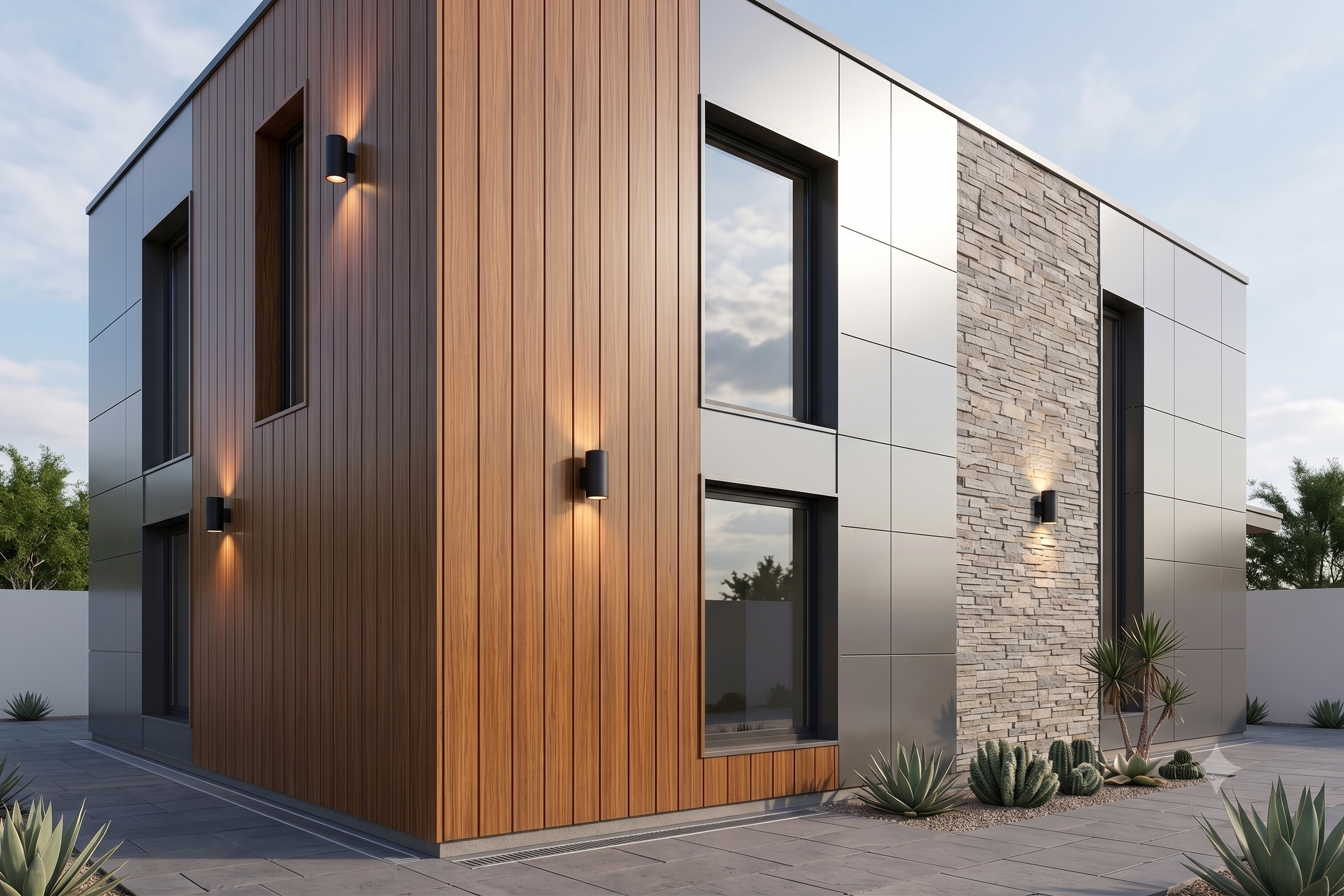
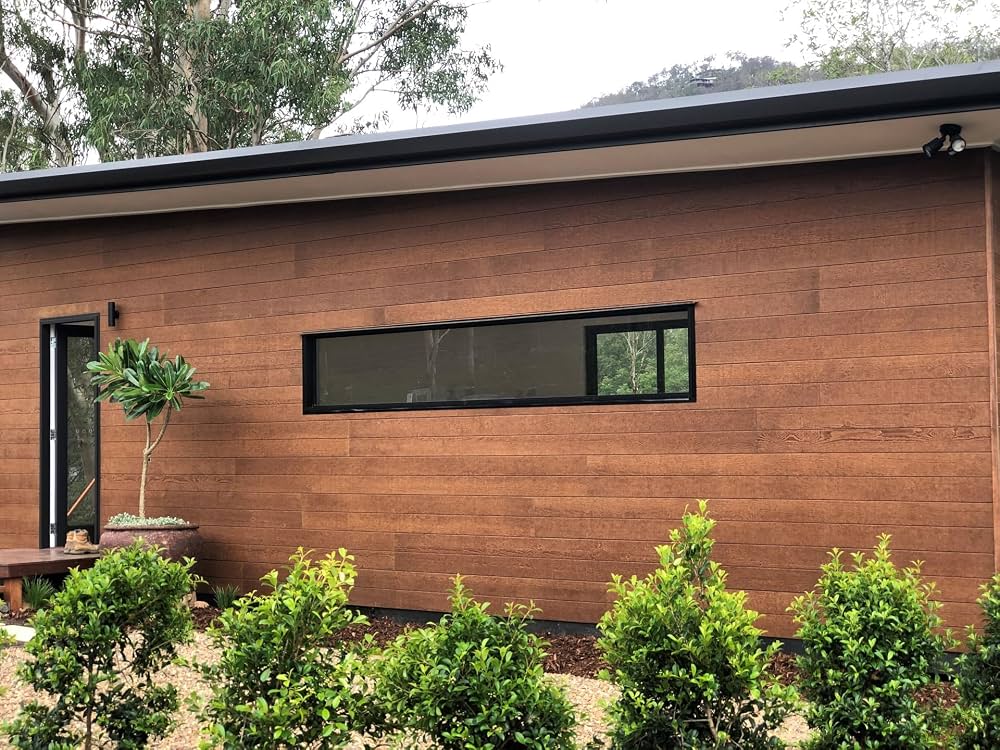
- High-Definition Wood-Grain & Stone Textures: Panels featuring deep, co-extruded wood-grain embossed patterns, matte textures, or multi-tone split-stone replications require specialized tooling and premium films, which places them in a higher tier.
- Core Density: Multi-chambered, heavy-wall profiles designed to absorb impact without denting carry more raw polymer mass per linear foot than basic decorative profiles.
2. Panel Dimensions and Core Thickness
Exterior panels are manufactured in various lengths and thicknesses to match architectural wind-load requirements:
- Panels destined for ground-floor boundary walls or residential elevations face moderate wind pressure and use standard outdoor-rated thicknesses.
- Panels installed on high-rise commercial structures or open windy corridors require thicker profiles, specialized reinforcement ribs, and heavy-gauge mounting clips to resist negative wind suction, which naturally increases material volume per square foot.
3. Project Scale and Volume Tiering
The total surface area of your elevation directly determines the manufacturing and distribution tier:
- Residential Single-Wall Projects (Under 500 sq. ft.): Require custom cutting, standard retail shipping rates, and retail-level packaging.
- Bulk Commercial & Institutional Orders (2,000+ sq. ft.): Bulk orders allow a direct exterior cladding panel supplier to optimize production runs, reduce carton waste, and pass on tiered manufacturing discounts.
4. Supporting Sub-Frame Grid and Hardware Accessories
Cladding panels are never fixed directly to raw brickwork with simple glue. They require a ventilated dry-clad installation system:
- Sub-Frame Materials: Galvanized Iron (GI) or extruded Aluminum battens are mechanically fastened to the masonry wall. Aluminum provides better corrosion protection in coastal zones but has a higher initial material cost than GI.
- Edge & Transition Profiles: Corner trims, starter strips, J-channels, top-finish profiles, and drip edges ensure water runoff without edge exposure. These accessories generally account for 10% to 15% of your total material order.
5. Freight, Site Accessibility, and Logistics
Exterior panels are rigid, long-profile items that require crating to prevent scratch marks or corner damage during transit. Shipping costs vary based on proximity to major distribution centers, local state taxes, and whether your job site requires specialized unloading equipment or staging on narrow city streets.
Exterior Cladding vs Paint & Stone: Cost Over Time
Looking only at day-one installation expenses often leads to flawed budgeting. An exterior material must be evaluated on its Total Cost of Ownership (TCO) across a 10- to 15-year operational window.
The Exterior Paint Trap
- Day 1: Exterior emulsion paint has the lowest barrier to entry.
- Years 3 to 10: In regions with intense monsoons and summer heat, paint blisters, fades, and traps moisture. It requires complete repainting cycles every 3 to 4 years. When you factor in repeated labor, surface scraping, scaffolding, and multiple coats of primer and topcoat, paint becomes significantly more expensive over a 10-year period than a one-time dry cladding installation.
The Real Cost of Natural Stone Cladding
- Day 1: Natural stone (sandstone, slate, granite) carries high material costs, heavy transport freight, and specialized stone-masonry labor fees. It also requires heavy-duty structural anchoring brackets.
- Years 3 to 10: Natural stone is porous. Without regular chemical cleaning, power washing, and the application of hydrophobic water-repellent sealers every 3 years, stone develops algae, moisture stains, and efflorescence salt blooms.
The PVC Cladding Value Balance
- Day 1: Sits in a practical middle ground—higher upfront material cost than paint, but far lower than reinforced natural stone or fabricated architectural sheet metals.
- Years 3 to 10: Once installed, maintenance is virtually zero. Aside from an occasional rinse with clean water, the panels require no sealers, no paint touch-ups, and no structural repairs, making them the most cost-predictable facade investment available today.
10-Year Lifecycle Comparison Table
| Evaluation Metric | PVC Exterior Cladding Panels | Standard Exterior Paint | Natural Stone Cladding |
| Initial Material Cost | Moderate | Very Low | High to Premium |
| Initial Labor & Installation | Moderate (Fast dry-fit) | Low (Multi-coat wet work) | Very High (Heavy masonry) |
| Maintenance Frequency | None (Occasional water wash) | Every 3–4 Years (Complete repaint) | Every 2–3 Years (Sealing/Algae wash) |
| Dampness / Seepage Protection | 100% Waterproof Barrier | Poor (Porous micro-cracks) | Moderate (Water can track through grout) |
| Sub-Frame Required? | Yes (Lightweight Aluminum/GI) | No | Yes (Heavy-duty steel anchors) |
| Structural Weight Impact | Minimal (~3–6 kg/m²) | Negligible | Heavy (40–90+ kg/m²) |
| Expected Lifespan | 15–20+ Years | 3–5 Years | 25+ Years (With regular upkeep) |
| 10-Year Lifecycle Cost | Lowest | High (Due to recurring work) | Highest overall |
How to Choose a Reliable Exterior Cladding Panel Supplier
Because exterior panels must survive outdoor conditions for decades, picking the right manufacturer or distributor is just as crucial as selecting the right panel color.
Here are the 5 non-negotiable criteria to verify before placing your order:
1. Request Real Physical Samples
Never finalize a facade order based purely on digital catalogs or website renders. Screen calibrations distort subtle undertones. A dependable exterior cladding panel supplier will provide physical sample cutouts. Test these samples: check their core thickness, feel the surface texture, and inspect the locking groove.
2. Demand Fully Itemized Quotes
Vague single-line quotes often hide missing components. Ensure your estimate clearly details:
- Total square footage of primary panels (including an allowance for cut wastage, typically 5–8%)
- Quantities of starter clips, J-trims, internal/external corner trims, and top-caps
- Recommended sub-frame spacing specifications
- Applicable freight, GST, and packaging charges
3. Check for Outdoor Weather & UV Warranties
Indoor decorative panels are occasionally mislabeled and sold for exterior use by unverified distributors. Always verify that the panels carry documented exterior-grade certifications, high-density UV stabilization, and a clear manufacturer warranty against cracking, excessive fading, and delamination.
4. Direct Factory Consistency for Large Runs
If you are working on a multi-stage project or a large commercial elevation, color batch matching is critical. Ordering from a direct manufacturer ensures that subsequent shipments match the exact dye-lot and texture profile of your initial order.
5. On-Ground Technical and Dealer Support
A supplier should be able to guide your local fabrication team on expansion clearances, screw torque, and framing intervals. Having an established regional dealer network ensures that additional trims or panels can be sourced quickly if site dimensions change during construction.
Step-by-Step: How to Calculate Your Facade Requirements
Before contacting an authorized dealer for a quotation, gathering these basic measurements will help you get an accurate estimate:
- Measure Gross Elevation: Take the total horizontal length and vertical height of each wall section to be covered.
- Deduct Window & Door Openings: Subtract the square footage of all windows, entrance doors, and structural cutouts.
- Add Corner & Wastage Factor: For simple rectangular walls, add a 5% buffer. If your elevation features multiple diagonal cuts, dormers, or window returns, plan for an 8% to 10% wastage allowance to ensure your installer doesn’t run short mid-project.
Finding Exterior Cladding Panels Near You
Delby manufactures weather-grade exterior cladding panels engineered specifically to withstand diverse, demanding outdoor climates.
Our corporate headquarters, central warehouse, and primary experience showroom are based in Ludhiana, Punjab, supported by additional warehousing infrastructure in Patna and an active distribution and dealer network across India.
If you have been searching online for exterior cladding pvc panels near me, our logistics network ensures direct site dispatch, physical sample deliveries, and technical consultation regardless of where your project is located.
Frequently Asked Questions
Does the exterior cladding panel price include installation?
In most cases, material supply and on-site installation are quoted separately. The panel price covers the material, UV protective coating, and manufacturing. Labor rates for framing and fixing vary based on building height, site accessibility, and whether scaffolding or specialized boom lifts are required. Always ask your supplier for an itemized breakdown.
Is PVC exterior cladding more affordable than ACP (Aluminium Composite Panels)?
Yes. While mid-range ACP materials can sometimes carry a comparable initial sheet price, the total installed cost of PVC cladding is typically more economical. ACP requires labor-intensive routing, tray folding, and recurring silicone joint sealant maintenance, whereas PVC uses an interlocking system that installs quickly and requires virtually no upkeep.
How can I get an accurate price quote for my building?
To receive a detailed, transparent estimate, share your approximate wall dimensions, elevation drawings (or site photos), preferred panel texture (such as wood-grain or stone-look), and project location with our technical sales team.
Can exterior PVC cladding be installed on old plastered walls?
Yes. Because PVC panels mount on a lightweight sub-frame grid, they can be installed over existing plaster, aged brickwork, or painted walls without requiring you to hack down the old surface.
Do exterior cladding panels need periodic painting or sealing?
No. High-quality exterior PVC cladding is permanently finished during manufacturing and UV-stabilized. It never requires painting, varnishing, or chemical sealing throughout its entire service life.
Get a Custom Project Estimate Today
Upgrading your building exterior is an investment in long-term durability, thermal efficiency, and contemporary design.
Ready to get an accurate quote for your facade project?
Connect with the Delby team today to discuss your building dimensions, request a physical sample kit, and receive a transparent, factory-direct quotation tailored to your architectural plans.
